
Story & Lore
Iron Nest story and lore — alternate-history Spain, dieselpunk setting, moral choices, newspaper consequences, chemical weapons ethics, and the Iron Nest universe
Introduction
Iron Nest's story unfolds in alternate-history Spain on the brink of civil war, where World War I never happened and dieselpunk machinery defines the technological era. The four-legged walking turret is both weapon and metaphor — a mechanical beast operated from within, where every lever pull carries moral weight. Moral choices are embedded directly in the firing loop: chemical weapons orders from High Command can be obeyed or defied, with newspaper headline consequences reflecting the cumulative weight of every shell fired. Four competing factions — Loyalists, Republicans, Anarchists, and International Brigades — offer mutually exclusive story paths with distinct endings.
Key Narrative Elements
| Element | Setting | Impact on Gameplay |
|---|---|---|
| Alternate History | Spain, late 1920s — WWI never happened | Dieselpunk tech level, divergent borders and politics |
| Monarchy vs Republic | Civil war spreading across 15 theaters | Mission contexts and target assignments |
| Chemical Weapons | Obey or defy High Command orders | Newspaper consequences after missions |
| Newspaper System | Front pages reflect your choices | Moral weight without preachy cutscenes |
| Iron Nest Universe | First game in shared world | Full Metal Coffin sequel expands the setting |
Lore Entries
Alternate-History Spain
The game is set in an alternate-history Spain during a dieselpunk-era conflict
Moral Choice System
Decisions affect story progression, newspaper headlines, and ending
Newspaper Consequences
Your actions are reported in newspapers that affect the world's perception
Chemical Weapons Ethics
The moral dimension of using chemical agents in combat scenarios
Factions & Politics
The political landscape and faction dynamics in the alternate-history setting
Core Mechanics
Iron Nest is set in alternate-history Spain on the brink of civil war, where dieselpunk technology has produced colossal four-legged walking turrets. The story explores the moral weight of operating a war machine through encrypted orders, chemical shell deployment choices, and the newspaper consequence system where every significant decision generates a headline that shifts public perception and affects future mission availability. Four major factions shape the narrative: the Loyalists (unwavering government supporters), Republicans (democratic reformers), Anarchists (anti-hierarchy radicals), and International Brigades (foreign ideological volunteers). Each faction offers unique supply lines, ammunition access, and story endings, but supporting one may lock out content from others. The game deliberately avoids preachy cutscenes — moral choices emerge organically from gameplay, such as whether to fire chemical shells on a target near a civilian area or whether to obey an order that conflicts with your growing sense of the war's human cost. Newspaper headlines appear between missions, reflecting the consequences of your actions and building a cumulative reputation that determines which endings become available.
Advantages
Iron Nest's narrative design integrates story with gameplay rather than separating them through cutscenes. The moral-choice system generates genuine ethical dilemmas from operational decisions — firing chemical shells near civilians, obeying versus defying orders, and choosing which faction to support all emerge naturally from the turret operation gameplay. The newspaper consequence system provides clear, visible feedback for every significant decision, creating a cumulative narrative that reflects the operator's choices without heavy-handed moralizing. Four distinct factions offer genuinely different story experiences, each with unique supply lines, ammunition access, and endings. The alternate-history Spain setting provides historical weight without requiring historical knowledge — the dieselpunk aesthetic and walking turret technology make the world feel fantastical while the civil war framework gives choices real emotional stakes. The branching narrative design ensures replayability, as supporting different factions unlocks different content.
Challenges
The story's greatest weakness is that moral choices, while impactful, often lack clear visibility of long-term consequences at the moment of decision. An operator may fire chemical shells on several missions before the newspaper consequences compound into a story-ending lockout, making it difficult to reverse course without replaying significant content. The four-faction system creates mutually exclusive content paths, meaning a single playthrough only exposes the operator to roughly 30% of the available story content. The newspaper consequence system, while innovative, can feel arbitrary when a headline seems disproportionate to the action that triggered it. The alternate-history Spain setting requires some historical context to fully appreciate the stakes of factional conflict, potentially reducing emotional impact for players unfamiliar with the Spanish Civil War. The narrative also suffers from pacing issues — between intense moral-choice missions, there are long stretches of routine fire operations that provide no story advancement.
Frequently Asked Questions
Do my choices actually affect the story?+
Do I need to know Spanish history to enjoy the story?+
What happens if I refuse to use chemical shells?+
Quick Tips
Every chemical shell deployment generates a newspaper headline that shifts your reputation. If you want to avoid the "War Criminal" storyline, use chemical shells only when absolutely necessary and consider defying orders that require chemical deployment against civilian-proximate targets. This practice becomes increasingly important during extended sessions where fatigue and repetition can lead to complacency and costly mistakes.
Faction choices are mutually exclusive — supporting the Loyalists locks Republican and Anarchist content, and vice versa. To experience the full story, plan at least two playthroughs: one Loyalist or Republican path for the military experience, and one Anarchist or International path for the alternative narrative. This practice becomes increasingly important during extended sessions where fatigue and repetition can lead to complacency and costly mistakes.
The newspaper consequence system tracks your cumulative choices across the entire campaign. Early decisions may seem inconsequential but compound into major story outcomes by the late game. Keep a mental log of headlines that appear after your missions to anticipate which endings are becoming available or locked. This practice becomes increasingly important during extended sessions where fatigue and repetition can lead to complacency and costly mistakes.
Featured
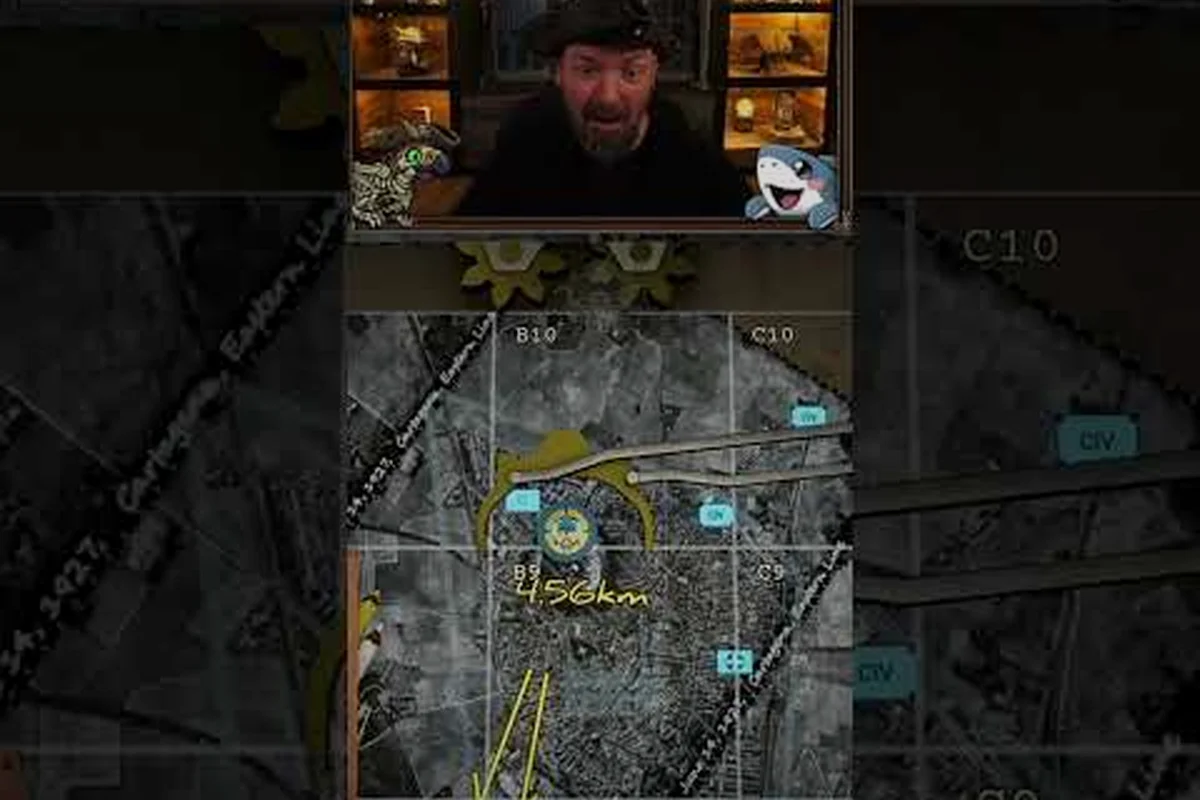
Iron Nest 1920s Spain Setting: Politics and Culture
Explore Iron Nest's 1920s Spain setting — an alternate-history battlefield where colossal diesel mechs reshape a fractured Iberia caught between monarchy and republic.
Iron Nest Alternate History Spain: Divergence Points
Explore the Iron Nest setting and its alternate history Spain backdrop. Discover how a 1920s diesel-punk divergence reshapes the Iberian Peninsula into 15 war zones.
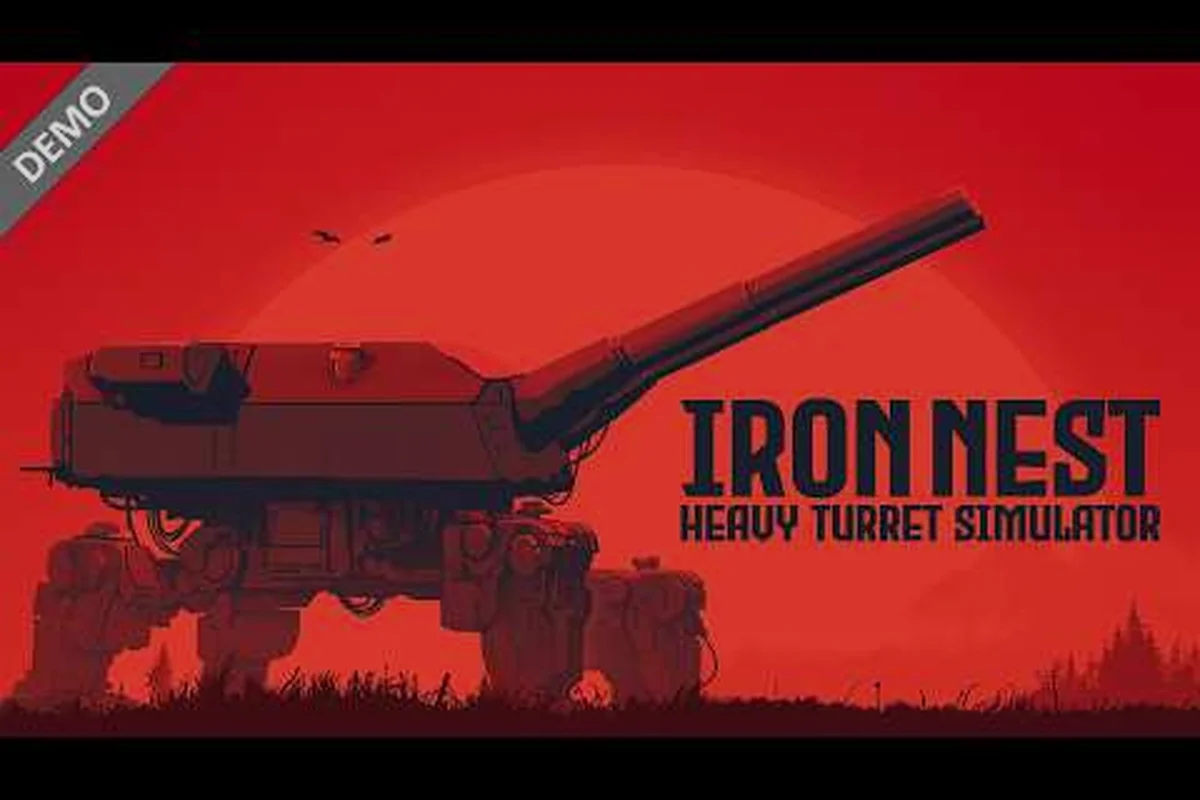
Iron Nest Monarchy vs Republic: Faction Lore & Power Guide
Uncover the Iron Nest monarchy vs republic conflict shaping the diesel-punk Spanish civil war. Faction leaders, warzones, and player choices explained.
All Articles
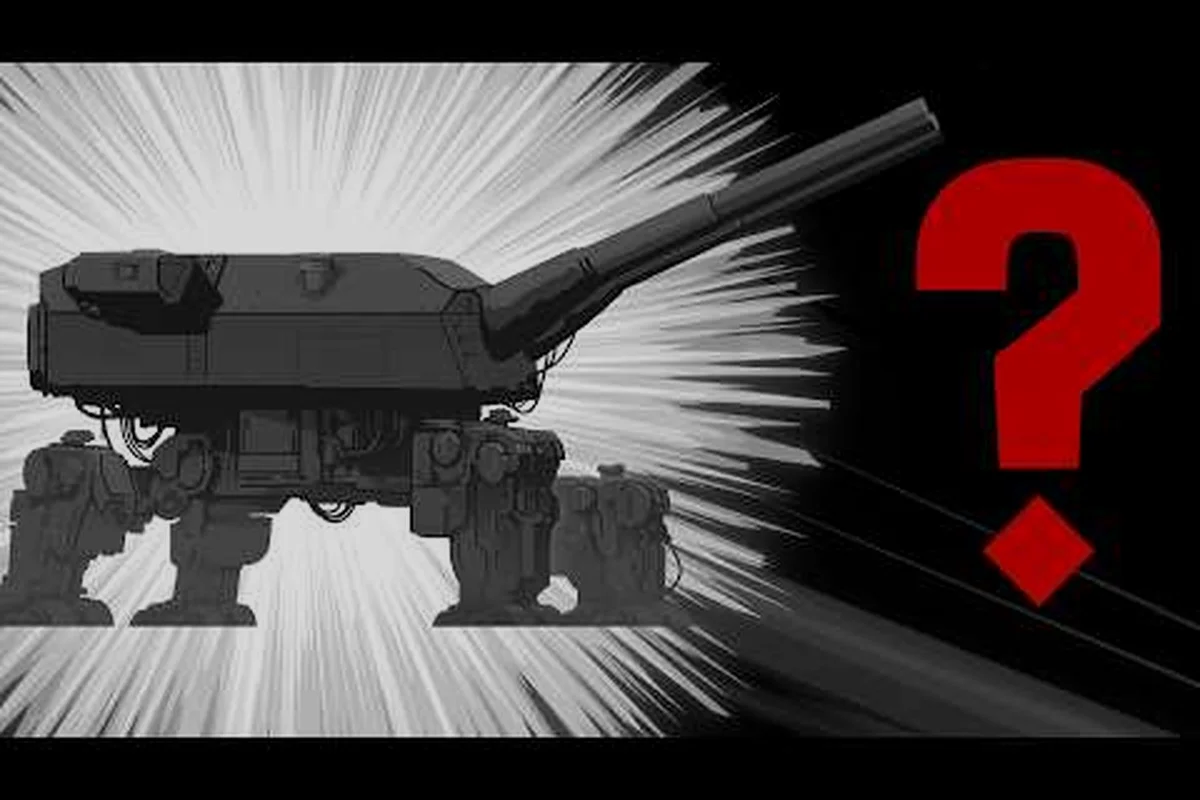
Iron Nest Story and Lore: Narrative Compendium Guide
Explore the alternate-history 1920s Spain setting, moral choice system, faction conflicts, and narrative consequences in Iron Nest.
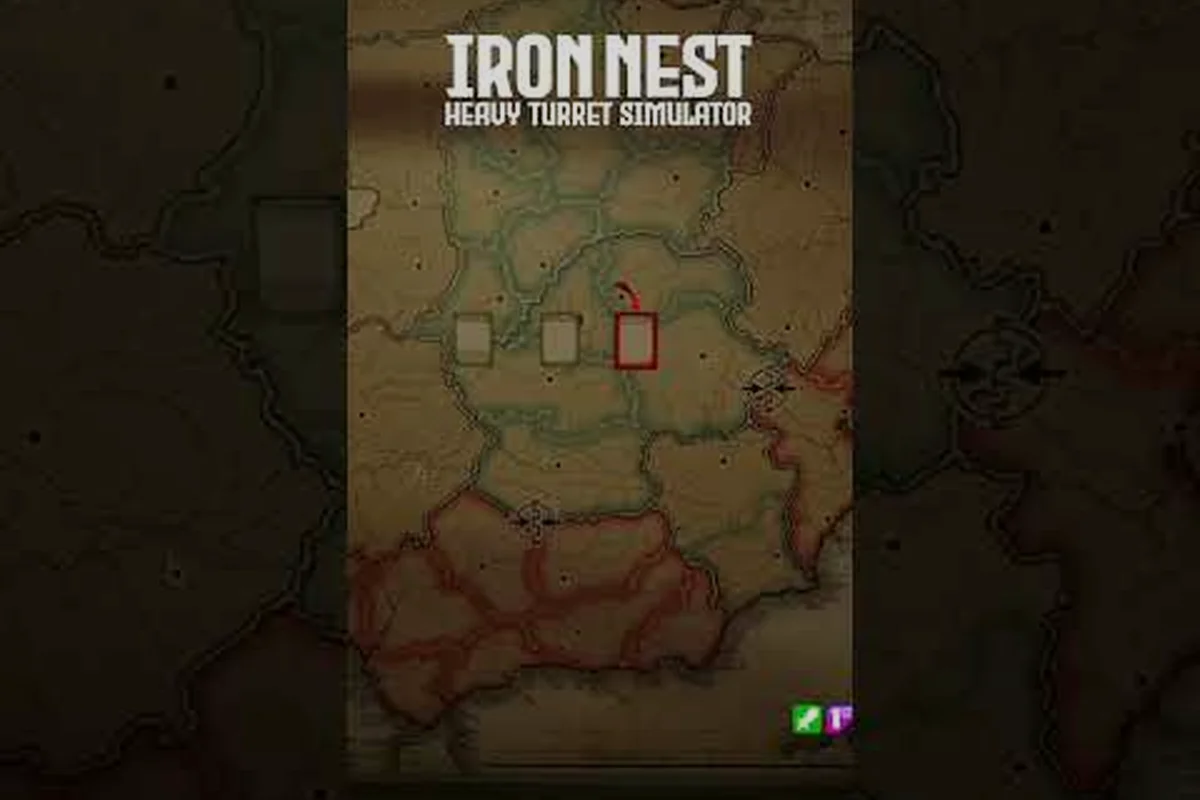
Iron Nest Obey or Defy Orders: Moral Choice & Impact Guide
Decide whether to obey or defy orders in Iron Nest. Explore telegraph commands, reputation shifts, newspaper fallout, and faction consequences in this story guide.
Iron Nest Moral Choice System: Morality & Decision Guide
Explore moral choices in the Iron Nest morality system. Learn how chemical weapons story decisions shape reputation, endings, and war outcomes.
Iron Nest Newspaper Consequences: Story & Morale Impact
Explore the newspaper system in Iron Nest and how reputation tiers shape story consequences, faction relations, and alternate history outcomes.
Iron Nest Chemical Weapons Ethics: The Phosgene Story
Explore Iron Nest chemical weapons ethics through the phosgene story. How moral choices, newspaper fallout, and 1920s Spain lore shape every shell you fire.